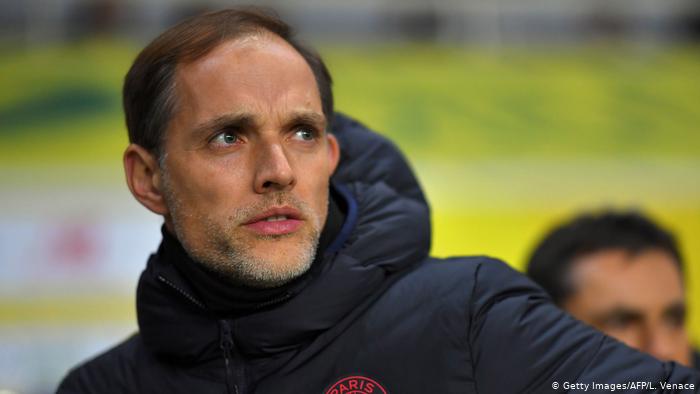
Thomas Tuchel is now 3 games into his managerial stint as Chelsea boss, taking over from Frank Lampard who left them 10th in the table and has experienced an almost immediate surge up the table from his side, who now sit 6th in the league after positive results against Burnley and Tottenham. But who is the man that the Blues have turned to, desperate to build on a promising campaign last year and a stuttering opening to this one? What are Chelsea likely to get from the man in charge further down the line?
Mainz origins
Tuchel is a graduate from the Ralf Ragnick University of coaches and is seemingly Jurgen Klopp’s replacement everywhere he goes. He started his career as the U19 boss at Mainz and managed to win a youth national championship with the side. This success led to his appointment as the head coach of the senior side after the previous first team coach was fired after a shock German cup loss. At the time, Mainz had the smallest budget in the Bundesliga (after Klopp had led them there), yet Tuchel managed to qualify twice for the Europa League despite the financial constraints. He knew his side were inferior in terms of talent yet were so well drilled and had a work ethic installed by Tuchel that enabled them to compete near the top places in the league. Key to this was Tuchel’s tactical philosophy that was super fluid. His side were able to seamlessly switch formation and tactics against any side, causing a headache for opposition managers.

Emergence at Dortmund
As a reward for his efforts, Tuchel was appointed as Klopp’s successor at Dortmund after the German left for Liverpool. Many accounts of those under him at Dortmund described him as being very demanding of the players and very unforgiving when they didn’t give the required effort, echoing other accounts during his time at Mainz. Despite this he achieved greatly at Dortmund, being Bayern’s main title rivals and pushing them close every year. This was done through a combination of new learning approaches and a focus on embracing sports science research. Tuchel is a huge advocate of ‘differential learning’, a theory that players skills are not best honed by repetition but by an ever changing set of problems that demanded adjustment. He changed the culture at Dortmund, encouraging players to live a healthier lifestyle and a focus on recovery, the importance of treating the body right. He was also famous for his wacky training drills at Dortmund, such as narrowing one end of the pitch to be as wide as the goalposts, effectively making a triangular pitch, making defenders hold tennis balls when marking so they couldn’t grab and tussle with attackers and making players take extra touches with specific body parts, all to encourage quick thinking and improve players adaptability. The lack of a personal connection with players though was still at issue that followed him at his second German club, with many players finding him superb as a coach but hard to deal with on a personal level.
New expectations at PSG
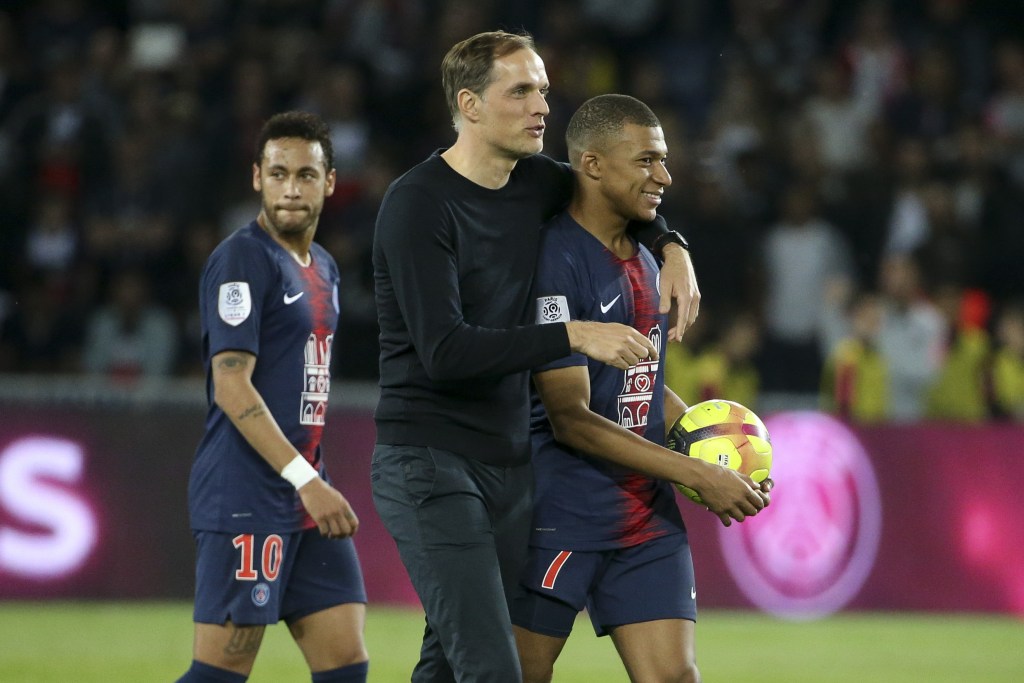
Taking the PSG job was always going to be a high pressure job for Tuchel. The French top flight has been dominated by the Parisian club for so long, that winning the Ligue 1 title was hardly regarded as a success by the club hierarchy. The real aim was, and still is, the Champions League crown. As was expected, the German won two league championships in his two full seasons with the club and sources point to him finally having amended his personal relations with players, having managed to develop a stronger emotional connection with his players and this showed during the clubs run to the 2020 Champions League final, losing to Bayern Munich. The rotation in the starting teams was also present in Paris as well, winger Angel Di Maria the only player to start at least 80% of the games during the 18/19 campaign. Ultimately though, the personality that Tuchel possesses and the personalities of those high up at PSG was going to result in a clash sooner or later. He particularly fell out with director of football Leonardo, disagreeing over player personnel decisions especially and this was likely the key reason behind his departure in December. Yet even given the power struggles many managers have had with those in the structure at Chelsea, they still believed that Tuchel would be the best man to appoint.
Tactical style
The most interesting aspect of Tuchel’s tactical style is that there isn’t one pre-set style. If placed on a ‘coaching spectrum’ of sorts, he falls somewhere between Jurgen Klopp and Pep Guardiola, two managers he has faced on many occasions in his career. The one consistency with Tuchel is that his teams tend to dominate the ball and control possession in the midfield areas. As a result of this, it’s likely he will favour a player like Jorginho rather than a player like Kante in the midfield berths and use him like Julien Weigl at Dortmund and Marco Veratti at PSG. When compared to Klopp, Guardiola and the man he replaced at Chelsea, Tuchel’s teams have had the second most ‘build up’ attacks (10+ passes in an attacking sequence), clearly demonstrating this possession oriented approach. Another consistency of Tuchel teams is the high press, his teams creating a high number of turnovers in the opposition third and this trend is likely to continue at Chelsea given the youthfulness and energy of the squad.
What to be expected at Chelsea
Fullbacks are a vital part of the modern game and the way in which they are utilised gives very clear indication as to the way the team will play. For example, Guardiola likes to tuck his backs infield, allowing them to act as slightly wide and deeper central midfielders whereas Klopp has his play with as much width as possible, acting as auxiliary wingers and creating overloads on the flanks. Tuchel is much more similar to Klopp in this regard. This was best seen at PSG with Thomas Meunier and Juan Bernat consistently positioned in advanced areas of the pitch, overlapping the likes of Di Maria and Neymar who occupied the channels inside of the opposition fullbacks. Chelsea have the personnel for this to work well. Summer signing Ben Chilwell and academy graduate Reece James fit these roles well and as a wingback, Marcos Alonso will be very useful as well over the rest of the season. The Chelsea squad is the 6th youngest in the league and will likely be prone to need to be rotated, another aspect that fits very well into the way Tuchel likes to run his squads. In terms of attackers, Timo Werner’s crippling lack of confidence under Frank Lampard was extremely surprising and one of the contributing factors to Lampard losing his job. The positive from this is that strikers Pierre-Emerick Aubemayang and Kylian Mbappe both had their best scoring seasons of their careers under Tuchel’s tutilage, which is a good sign that Werner can regain the form that made him one of the best strikers in Europe over the last few years.
Only time will tell whether the appointment of Tuchel was the correct decision from Chelsea, but the pieces are in place in the squad for the man in charge to hopefully lead Chelsea back to Premier League title contention.
 Sports Takes