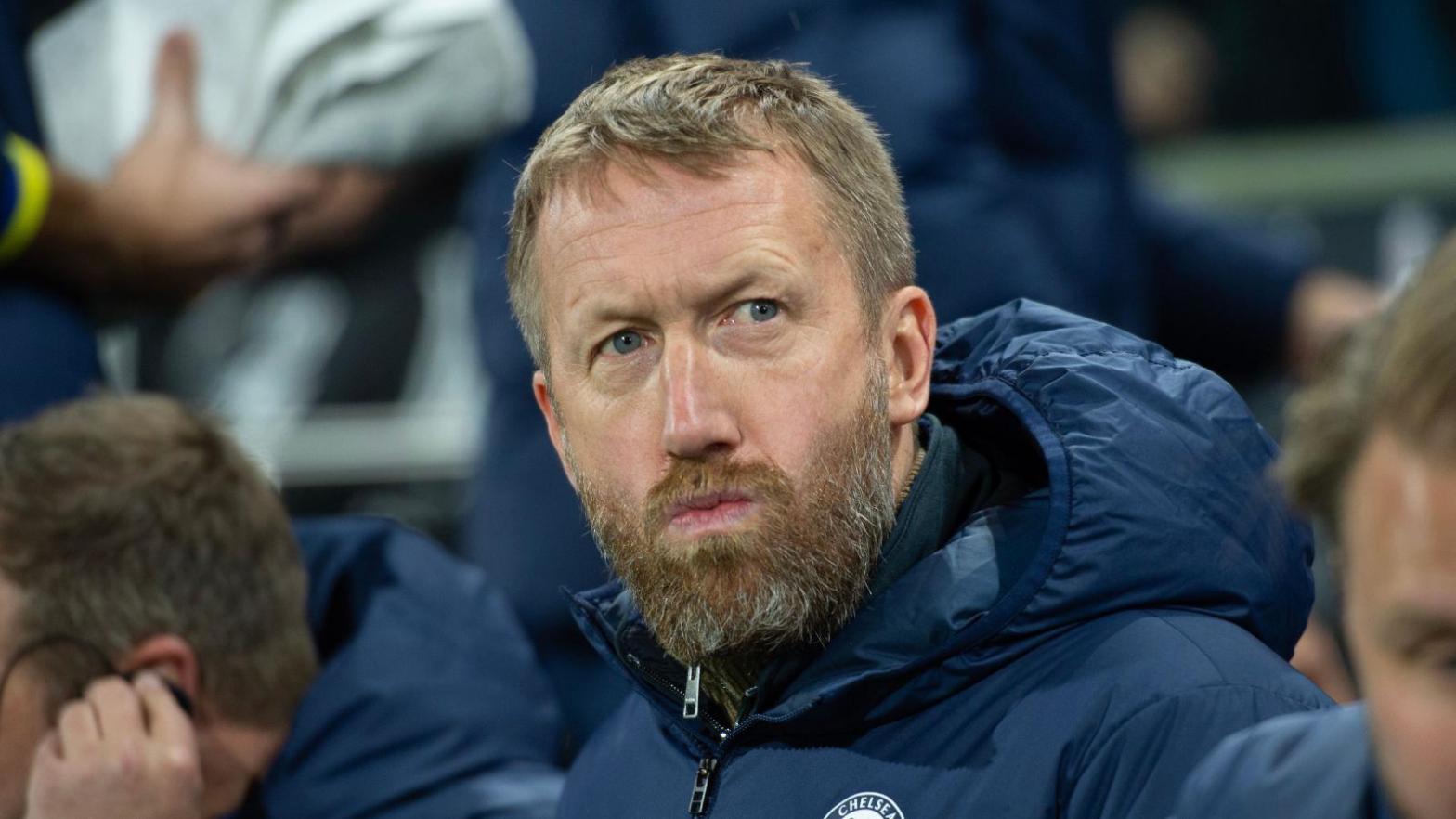
FUN FACT: Graham Potter was on the field and played a part for Southampton during their famous 6-3 win over Manchester United during the 1996/97 season.
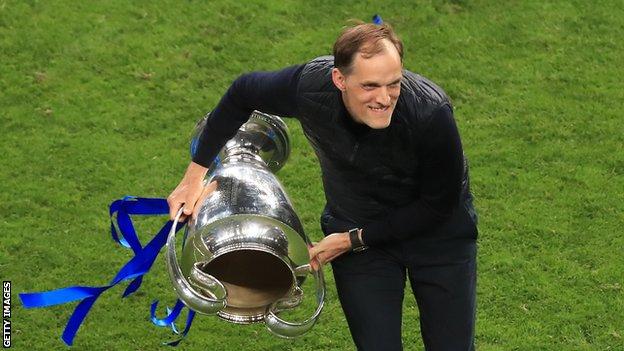
A little while back, one of my first posts on here in fact, was analysing the appointment of Thomas Tuchel at Chelsea and I asked the question, can he be Chelsea’s saviour? Well I think that was answered with a yes quite emphatically. Tuchel led Chelsea to its second Champions League Crown later that season and became a firm fan favourite.
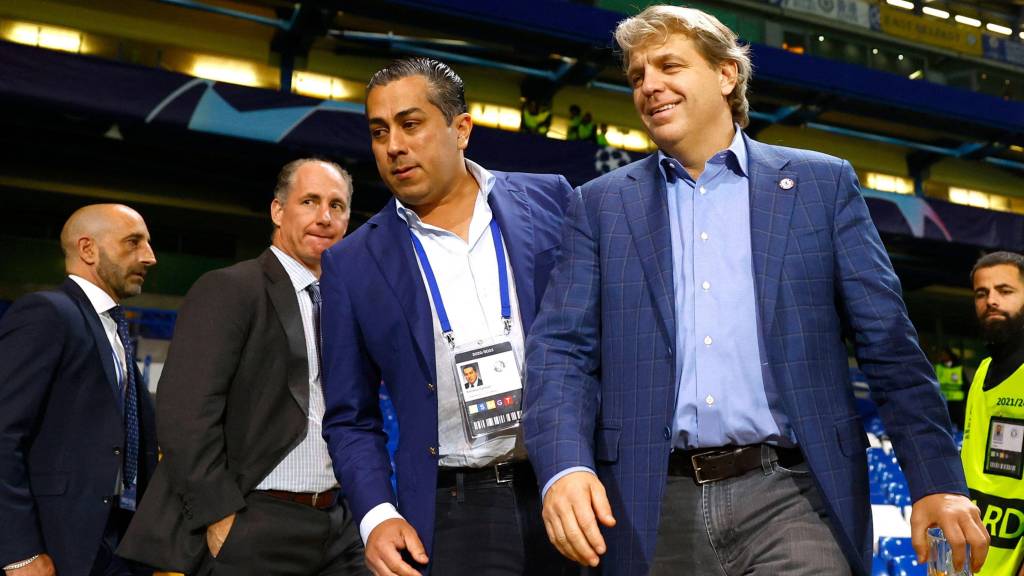
Since then though, the world is a drastically different place. Following the Russian invasion of Ukraine in early 2022, Roman Abramovich was forced to sell Chelsea to an American consortium led by Todd Boehly, in order to keep the club from becoming extinct as a result of direct UK Government sanctions. Opinions on the new ownership group aside, they decided to have their own hierarchy in place. Out went technical directors Petr Cech and Marina Granovskaia and in came Christopher Vivell from RB Leipzig and Laurence Stewart from AS Monaco. Another casualty of the regime change was the aforementioned Thomas Tuchel. Replacing the man at the helm of the first team squad was a coach who took an unorthodox route to the top.
Graham Potter really started appearing on many people’s radars while in charge of Swedish outfit Östersunds. From a lowly position, Potter transformed the way they played and led them to a magical Europa League run, being drawn against and beating Arsenal along the way. This led to a gamble from Swansea City to bring the English coach back to the mainland and Potter again impressed and earned a move to the top flight, with Brighton the club to acquire his services. He achieved either record setting or equalling points tally’s in each of his seasons on the south coast and this, along with his reputation as a ‘progressive’ and ‘unconventional’ coach is what convinced Chelsea’s new bosses to pull the trigger and spend almost £16m to take him to Stamford Bridge.
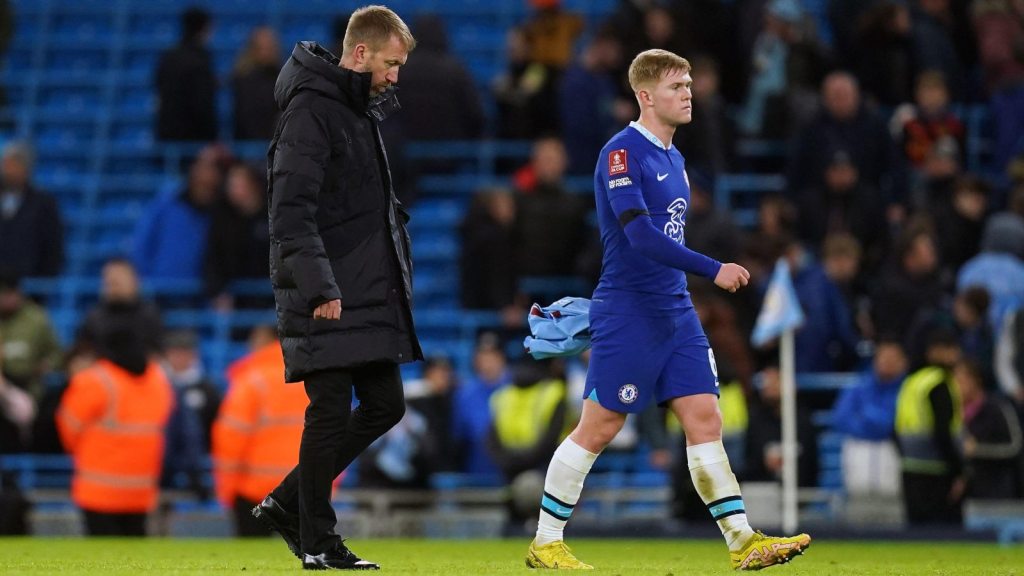
Potter hasn’t endured the greatest start to his career in West London. A multitude of signings, some under his watch and some not, since the beginning of the summer all needed bedding in, the mentioned change of ownership and structure, and the losses of players on key positions, both to other clubs and the injury list forced him to adapt his teams and his style, beyond what he was ordinarily used to or planned for. The fact that at one point, Chelsea’s injured XI looked like a stronger side on paper than the one that was being put out onto the grass spoke volumes for how much change there has been within this Chelsea side this season. At all of Potter’s other clubs and a few others around the current Premier League, there would be no talk of him being on the hot seat less than a year into his tenure. The club and supporters would recognise these as issues beyond reasonable control, which gives relief and confidence to those in charge that they have a chance to put their stamp on things in the long run. The problem is, this isn’t any of Potter’s other clubs… this is Chelsea.
The Stamford Bridge faithful have grown used to constant success, albeit with a few down years sprinkled in amongst the silverware. These down years almost always resulted in a change of manager, a change of results and the inevitable silverware would come back again. Abramovich’s time in control of Chelsea saw 14 managers take to the touchline in 19 years, not exactly the model of continuity and patience. For the new owners, this policy of hire and fire wasn’t sustainable and they preached change. They preached patience. They preached continuity. While these values are ideal, they’re also alien to Chelsea. It is this conflict of the past and the envisioned future that is causing Potter to be questioned.
Make no mistake about it, Graham Potter absolutely should be given more time – the suggestion he should be sacked is quite frankly ludicrous. He very likely has a vision for the team, his team, in terms of personnel and it will take a few transfer windows to achieve this. In the January window, they’ve brought in Andrey Santos, Benoit Badiashile, Mykhailo Mudryk , Enzo Fernandez and have a deal in place for the summer to acquire Christopher Nkunku. These are young, talented players who can be role-moulded exactly how Potter needs them. He’s a versatile manager who expects his players to understand the nuances of tactical systems so they can seamlessly switch between them, but this process takes time. It takes patience. It takes continuity. It takes Graham Potter remaining as head coach of Chelsea for at least the foreseeable future.
 Sports Takes